Calculate Load Capacity for Transformers: kVA, Current & Derating Explained

Transformers play a crucial role in commercial, industrial, and utility applications where safe, reliable electrical performance is essential. Whether used in manufacturing plants, commercial complexes, data centers, or renewable power systems, these transformers must be sized correctly to ensure smooth and uninterrupted operations. One of the most important aspects of transformer sizing is understanding how to calculate load capacity, as it directly influences system reliability, efficiency, and lifespan.
This guide provides a comprehensive look at transformer load calculation, factors that influence performance, how temperature rise in transformers affects capacity, and why accurate load calculation for electrical systems is essential. By the end, you’ll be equipped with practical steps and formulas to determine the transformer load capacity for dry-type units.

What Is Load Capacity in a Transformer?
The load capacity of a transformer represents the maximum electrical load it can safely handle without overheating or reducing performance. In technical terms, the load capacity is based on the transformer’s kVA rating, efficiency, and operating conditions.
For dry-type transformers, this matters even more because they rely on air for cooling unlike oil-filled transformers, which dissipate heat more effectively.
Properly calculating transformer capacity ensures:
• Reliable power delivery
• Optimal transformer efficiency
• Longer lifespan
• Reduced risk of overload failures
• Lower operating costs
When a transformer is forced to operate beyond its rated capacity, its insulation system begins to degrade, heat builds up rapidly, and both safety and performance are compromised.
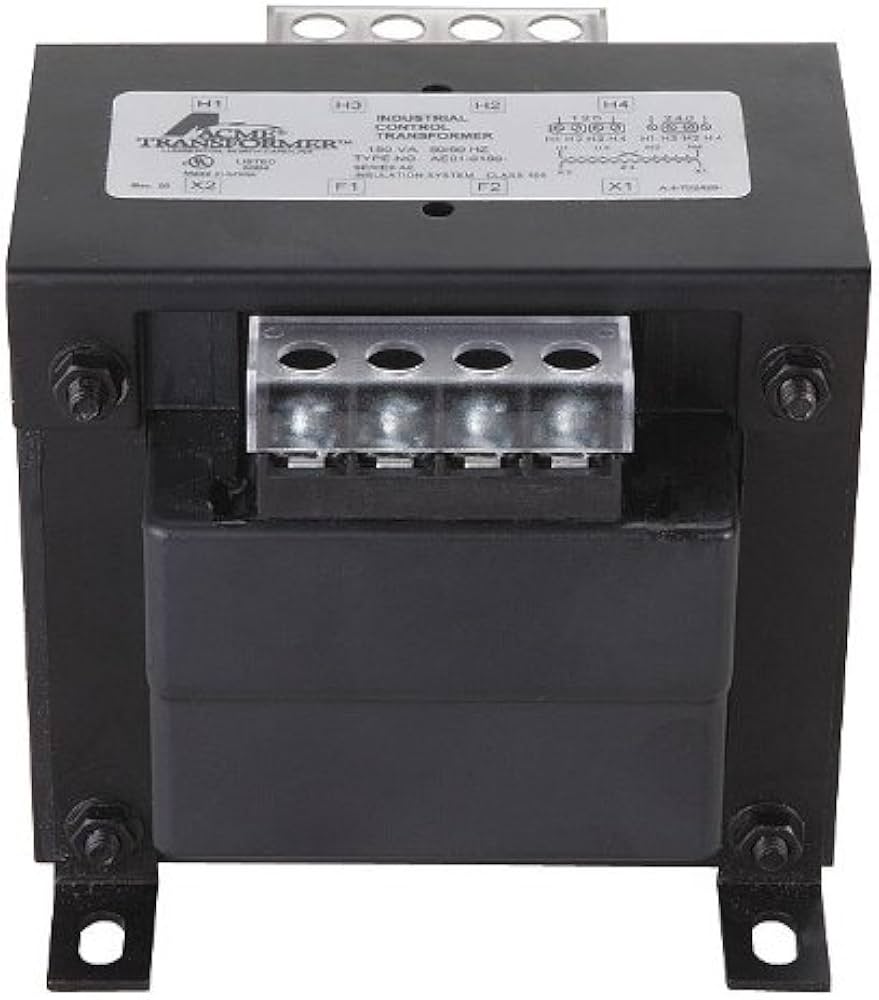
Dry Type Transformers
Explore our range of dry type transformers designed for reliability and efficiency.
Why Accurate Transformer Load Calculation Matters
Accurate transformer load calculation is essential for several reasons:
1. Preventing Overloading
Exceeding the transformer’s load limit can cause excessive heat, leading to insulation damage and reduced operational life.
2. Maintaining Transformer Efficiency
A transformer operates at maximum transformer efficiency when the load is correctly balanced. Both under loading and overloading can reduce efficiency.
3. Ensuring Safety
Overloads increase internal heat, potentially triggering shutdowns or electrical faults.
4. Enhancing System Reliability
Proper load planning ensures consistent performance even under fluctuating load conditions.
5. Avoiding Unexpected Downtime
Misjudging load requirements can lead to operational disruptions, equipment failure, and costly repairs
Key Factors That Influence Load Capacity in Dry-Type Transformers
Before diving into calculations, it’s important to understand the factors that impact the actual load a transformer can carry.
1. Temperature Rise in Transformers
Heat affects transformer performance more than any other factor. The temperature rise in transformers refers to how much hotter the transformer windings become compared to ambient air during normal operation.
Common temperature rise ratings include:
• 80°C rise – high-efficiency units with greater overload capability
• 115°C rise – standard dry-type units
• 150°C rise – higher temperature applications
Lower temperature rise generally means:
• Higher efficiency
• Longer insulation life
• Greater overload tolerance
2. Ambient Temperature
Transformers are typically rated for a 40°C (104°F) ambient temperature. Higher ambient temperatures reduce cooling effectiveness and require load derating.
3. Transformer Efficiency
Every transformer has a rated transformer efficiency, typically between 95% and 98%. The closer to peak efficiency, the better it can manage electrical loads without heat build up.
4. Duty Cycle and Load Profile
Transformers serving fluctuating loads should be sized based on actual load patterns, not just peak demand.
5. Insulation Class
Insulation classes such as Class 155, Class 180, and Class 220 define allowable operating temperatures. Higher insulation classes tolerate higher temperatures but do not eliminate the need for proper load calculation.
kVA, kW, and Power Factor Explained
Transformers are rated in kVA, not kW, because transformer heating depends on voltage and current rather than power factor.
The relationship is:
kW = kVA × Power Factor
A transformer supplying loads with a low power factor will reach its thermal limit at a lower kW output, even though the kVA rating remains unchanged. This is why power factor must be considered when evaluating real-world loading conditions
Step-by-Step Guide: How to Calculate Load Capacity
To calculate full-load current, use the appropriate formula
Full Load Current Formulas
I = (kVA × 1000) ÷ V
I = (kVA × 1000) ÷ (√3 × V)
Where:
• I = Full-load current
• kVA = Transformer capacity
• V = Voltage
This gives the maximum current the transformer can safely carry.
Step 1: Account for Transformer Efficiency
While efficiency does not change the kVA rating, it affects usable output.
Usable Capacity = kVA × Efficiency
A transformer operating at 98% efficiency will manage thermal stress better than one operating at 95% efficiency under identical load conditions.
Step 2: Apply Temperature and Ambient Derating
If ambient temperature exceeds rated conditions, derating is required.
Typical guideline:
• Derate transformer capacity by 1-2% for every 10°C above 40°C
This protects insulation life and ensures safe operation.
Step 3: Consider Real-World Load Conditions
Additional factors to evaluate include:
• Continuous vs non-continuous loads
• Harmonics from non-linear loads
• Motor starting and inrush currents
• Peak demand variations
Applications with high harmonic content may require K-factor rated transformers to prevent overheating.
Example: Transformer Load Capacity Calculation
Given:
• Transformer rating: 100 kVA
• Voltage: 480V
• Phase: Three-phase
• Efficiency: 95%
• Ambient temperature: 40°C
Full-load current:
I = (100 × 1000) ÷ (√3 × 480)
I ≈ 120 amps
Usable capacity:
100 kVA × 0.95 = 95 kVA
This transformer can safely deliver approximately 95 kVA continuously under rated conditions.
Overloading: What Happens When You Exceed Capacity?
Overloading a dry-type transformer can cause serious consequences:
1. Excessive Heating
Heat builds up faster than it can dissipate, accelerating insulation breakdown.
2. Reduced Transformer Efficiency
As heat rises, copper and core losses increase, lowering efficiency.
3. Shortened Lifespan
Every 6-8°C rise in temperature above design can cut insulation life in half.
4. System Downtime or Failure
Severe overloads can trigger shutoffs, trips, or damage to connected equipment.
Best Practices to Improve Transformer Load Performance
1. Maintain Proper Ventilation
Do not obstruct air pathways around the transformer. Dry-type units depend on airflow for cooling.
2. Monitor Temperature
Use temperature sensors or RTDs to ensure heat does not exceed safe limits.
3. Perform Regular Maintenance
Inspect louvers, connections, cooling fans (if applicable), and winding temperature regularly.
4. Avoid Continuous Overloading
Even if a transformer can handle temporary overloads, avoid sustained high-load operations.
5. Choose Lower Temperature Rise Models
An 80°C rise transformer can handle more load with less heat stress than a 150°C rise model.
FAQ
1) How to calculate transformer load capacity?
A. The transformer load capacity is calculated using the transformer’s kVA rating, voltage, and allowable operating conditions.
2) How much load can a 750 kVA transformer handle?
A. A 750 kVA transformer can handle up to 750 kVA, or approximately 600–750 kW depending on power factor.
3) What is the 80% rule for transformers?
A. The 80% rule states that a transformer should not be continuously loaded beyond 80% of its rated capacity.
4) How to calculate full load amps of a transformer?
A. Full load amps are calculated by dividing kVA by voltage for single-phase and by √3 × voltage for three-phase transformers.
5) How to size a transformer for a load?
A. A transformer is sized by calculating the total load in kVA and selecting a transformer rated 20–30% higher for safe operation.
Conclusion
Accurate load capacity calculation is essential for selecting the right dry-type transformer and ensuring safe, efficient, and reliable power distribution. By considering kVA rating, transformer efficiency, temperature rise, ambient conditions, and real-world load demands, you can avoid overloading, reduce energy losses, and extend transformer lifespan. Proper transformer load sizing not only improves system performance but also minimizes downtime and long-term maintenance costs, making it a critical step in any electrical system design or upgrade.