How to Save Energy by Reducing Transmission Losses

Losses in the transmission and distribution system are a critical concern in the electrical grid. These losses indicate the variance between the energy generated at the source and the energy received by consumers. It is crucial to comprehend and reduce these losses to enhance efficiency and lower expenses. In this blog post we will explore the causes of losses, in the transmission and distribution system. Offer practical tips to decrease them.
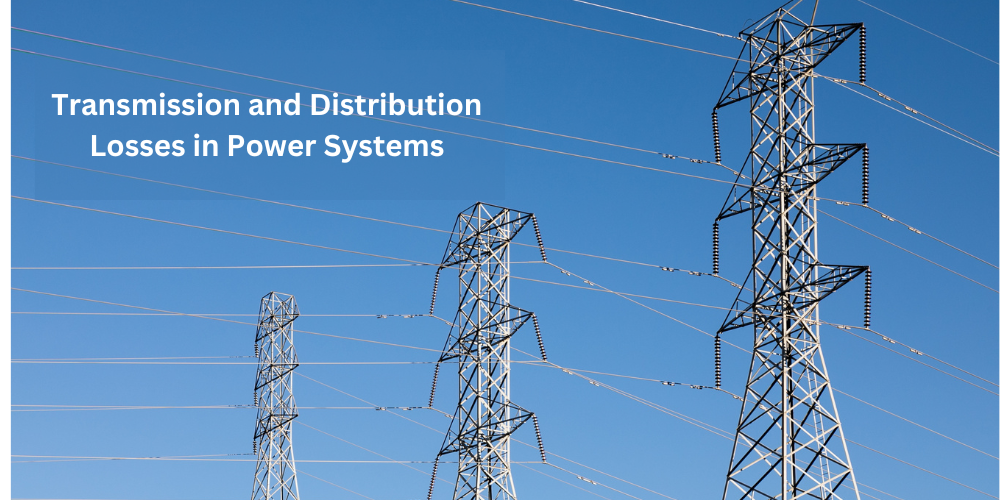
Understanding Transmission and Distribution Losses in Power Systems
Each year a considerable quantity of electricity is wasted when it is transmitted and distributed. This wastage leads to setbacks, for utility companies and squanders precious resources. Hence it is crucial to discover ways to reduce these losses.
There are two main categories of transmission and distribution losses:
-
Technical Losses
Technical losses known as losses arise from the attributes of the power transmission and distribution system. These losses are natural, to the system. Cannot be completely eradicated. Nevertheless they can be reduced by following design and maintenance procedures.
- Copper Losses (I²R Losses) Copper losses occur due to the resistance in conductors. As current flows through the transmission and distribution lines, some of the electrical energy is converted into heat, resulting in energy loss. This is described by the formula P = I²R, where P is the power loss, I is the current, and R is the resistance.
- Core Losses (Iron Losses) Core losses occur in transformers and are mainly due to hysteresis and eddy currents in the iron core. Hysteresis loss happens because of the magnetization and demagnetization of the core, while eddy currents are circulating currents induced in the core by the alternating magnetic field.
- Dielectric Losses Dielectric losses occur in the insulating materials of cables and transformers. These losses are caused by the heating effect of the alternating electric field on the insulating material.
- Corona Losses Corona losses occur when the electric field around a conductor is high enough to ionize the surrounding air, causing a corona discharge. This not only leads to energy loss but also generates ozone and other gases.
- Leakage Losses Leakage losses happen due to the leakage of electric current from the conductors through the insulating material to the ground or to other conductors.
-
Non-Technical Losses
Non-technical losses are those that are not caused by the physical characteristics of the transmission and distribution system. These losses can be attributed to human factors such as theft and metering inaccuracies.
- Metering Inaccuracies Metering inaccuracies can occur due to faulty meters, incorrect meter reading, or tampering. These inaccuracies result in incorrect billing and energy accounting.
- Theft and Pilferage Electricity theft and pilferage involve unauthorized tapping of power from the distribution lines, bypassing meters, or tampering with meters.
- Billing Inefficiencies Billing inefficiencies arise from manual errors in billing processes, outdated billing systems, or lack of proper billing practices.
Strategies to Reduce Technical Losses
Improving Conductor Size and Material: Using larger conductors reduces the resistance and, consequently, the I²R losses. Additionally, using high-quality materials like aluminum alloy conductors can improve efficiency and reduce losses.
Optimizing Line Length and Layout: Shorter transmission and distribution lines reduce resistance and losses. Effective planning and optimizing the layout can minimize line lengths and improve efficiency.
Regular Maintenance of Equipment: Regular maintenance of equipment such as transformers, insulators, and conductors ensures they operate efficiently and reduces losses. This includes cleaning, tightening connections, and replacing worn-out components.
Use of Efficient Transformers: Low-loss transformers, such as amorphous core transformers, have lower core losses compared to traditional transformers. Using efficient transformers can significantly reduce losses in the system.
Implementing Reactive Power Compensation: Reactive power compensation using capacitors and synchronous condensers reduces the reactive component of the current, thereby reducing I²R losses. This improves the power factor and overall efficiency of the system.
Reducing Overloading: Overloading of transmission and distribution lines increases losses and can cause equipment damage. Ensuring proper load management and using load balancing techniques can prevent overloading and reduce losses.
Strategies to Reduce Non-Technical Losses
Advanced Metering Infrastructure (AMI): AMI systems provide accurate and real-time data on electricity consumption. This helps in reducing metering inaccuracies, detecting tampering, and improving billing accuracy.
Implementing Smart Grids: Smart grids incorporate advanced communication and control technologies to monitor and manage the electricity grid efficiently. This helps in reducing both technical and non-technical losses.
Strengthening Legal Framework: Strict regulations and enforcement against electricity theft and pilferage are essential. Implementing penalties and legal actions can deter such activities and reduce non-technical losses.
Public Awareness and Education: Educating consumers about the impact of electricity theft and the importance of energy conservation can reduce non-technical losses. Awareness campaigns and community engagement are effective tools.
Improved Billing Systems: Adopting automated billing systems ensures accuracy and transparency. These systems reduce manual errors, improve customer trust, and enhance revenue collection.
For the performance of your power systems think about applying the methods mentioned earlier. If you need expert help and cutting edge solutions get in touch with Brucelectric, your trusted partner in power transmission and distribution equipment. Reach out today to discover more, about our offerings and how we can assist you in minimizing losses and enhancing your energy efficiency.
FAQ’s- Reducing Transmission and Distribution Losses in Power Systems
Q1. What are the main reasons electricity gets lost before reaching homes and businesses?
A) Electricity losses usually happen because of resistance in wires and technical issues in equipment, as well as human-related problems like meter tampering or inaccurate billing.
Q2. How can we reduce energy loss in electric power lines?
A) Using thicker wires, improving the layout of transmission routes, and regularly maintaining equipment can lower losses caused by heat and resistance.
Q3. What is the difference between technical and non-technical power losses?
A) Technical losses are due to system design and natural factors, while non-technical losses stem from issues like theft, faulty meters, or billing mistakes.
Q4. Why does electricity theft affect the power grid?
A) Stealing power not only leads to financial losses for utilities but also puts extra load on the system, affecting reliability and increasing the risk of outages.
Q5. What is corona loss and how can it be controlled?
A) Corona loss happens when electricity ionizes the air around power lines. It can be reduced by using better-insulated cables and keeping lines properly spaced.
Q6. Can smart meters help prevent energy loss?
A) Yes, smart meters can detect unusual usage patterns, prevent tampering, and help track real-time consumption more accurately.
Q7. Why is transformer efficiency important for reducing power loss?
A) Efficient transformers waste less energy through heat and magnetism, which helps minimize overall losses in the system.
Q8. How does power factor correction reduce energy loss?
A) Improving the power factor with devices like capacitors reduces unnecessary energy flow, making the system more efficient and lowering losses.
Q9. What role does line length play in power loss?
A) The longer the distance electricity travels, the more energy is lost. Shorter, optimized routes reduce resistance and save power.
Q10. What can utility companies do to stop non-technical losses
A) They can use modern billing systems, strengthen laws against theft, and run awareness campaigns to encourage legal and efficient power use.