Shop by Categories
CLUTTER INTO PROFIT

Turn your used or unwanted transformers or circuit breakers into cash or credit
Equipment Purchase Program

1500 kVA Transformers
A 1500 kVA transformer is designed for electrical systems requiring substantial power distribution capacity across multiple connected loads. With a rated capacity of 1,500 kilovolt-amperes (1.5 MVA), these transformers are used in industrial facilities, large commercial buildings, data centers, and institutional installations where the electrical demand and distribution design call for this capacity.
Bruce Electric Equipment Corp. supplies 1500 kVA dry-type transformers for applications requiring voltage conversion without the use of liquid insulating fluid. Available options may include three-phase, step-up, step-down, and isolation designs, with winding materials and enclosure options depending on the specific model. We work with established transformer manufacturers, such as GE, Hammond Power Solutions, Acme Electric, Federal Pacific, Jefferson Electric, Rex Power Magnetics, ABB, EGS/SolaHD, and MGM Transformer Company to help customers identify equipment that meets their application and technical specifications. Whether you need a 1500 kVA transformer for a facility expansion, new electrical installation, or replacement project, our team can assist with identifying suitable equipment based on your voltage, load, application, and installation requirements.
Showing 1–15 of 24 results
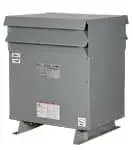
Hammond Power Solutions 1500 kVA Three Phase Dry Type Transformer: 480V - 208Y/120V (SG3A1500KB)
SKU: SG3A1500KBManufacturer: Hammond Power Solutions
KVA : 1500
PHASE : THREE
WINDING MATERIAL : ALUMINUM
TRADE NAME IF ANY : HPS SUPERSENTINEL
TEMP RISE : 150°C
PRIMARY VOLTAGE : 480
SECONDARY VOLTAGE : 208Y/120
TYPE : simple

Hammond Power Solutions 1500 kVA Three Phase Dry Type Transformer: 480V - 208Y/120V (SK3A1500KB3K)
SKU: SK3A1500KB3KManufacturer: Hammond Power Solutions
KVA : 1500
PHASE : THREE
WINDING MATERIAL : COPPER
TRADE NAME IF ANY : HPS SUPERSYNERGY
TEMP RISE : 150°C
PRIMARY VOLTAGE : 480
SECONDARY VOLTAGE : 208Y/120
TYPE : simple

Hammond Power Solutions 1500 kVA Three Phase Dry Type Transformer: 480V - 208Y/120V (MK1500KBC)
SKU: MK1500KBCManufacturer: Hammond Power Solutions
KVA : 1500
PHASE : THREE
WINDING MATERIAL : COPPER
TRADE NAME IF ANY : HPS SENTINEL
TEMP RISE : 150°C
PRIMARY VOLTAGE : 480
SECONDARY VOLTAGE : 208Y/120
TYPE : simple
Hammond Power Solutions 1500 kVA Three Phase Dry Type Transformer: 480V - 208Y/120V (MK1500KB)
SKU: MK1500KBManufacturer: Hammond Power Solutions
KVA : 1500
PHASE : THREE
WINDING MATERIAL : ALUMINUM
TRADE NAME IF ANY : HPS SENTINEL
TEMP RISE : 150°C
PRIMARY VOLTAGE : 480
SECONDARY VOLTAGE : 208Y/120
TYPE : simple
Hammond Power Solutions 1500 kVA Three Phase Dry Type Transformer: 2400V - 600V (MV3S1500RP)
SKU: MV3S1500RPManufacturer: Hammond Power Solutions
Weight: 6300 lbs
KVA : 1500
PHASE : THREE
PRIMARY VOLTAGE : 2400
SECONDARY VOLTAGE : 600
WINDING MATERIAL : ALUMINUM
HZ : 60
TEMP RISE : 150
ENCLOSURE : NEMA 3R HEAVY DUTY
TYPE : ENERGY EFFICIENT MEDIUM VOLTAGE DISTRIBUTION
OTHER : SCD10
TRADE NAME : HPS MILLENNIUM
Hammond Power Solutions 1500 kVA Three Phase Dry Type Transformer: 4160V - 600V (MV3S1500SPC)
SKU: MV3S1500SPCManufacturer: Hammond Power Solutions
Weight: 6600 lbs
KVA : 1500
PHASE : THREE
PRIMARY VOLTAGE : 4160
SECONDARY VOLTAGE : 600
WINDING MATERIAL : COPPER
HZ : 60
TEMP RISE : 150
ENCLOSURE : NEMA 3R HEAVY DUTY
TYPE : ENERGY EFFICIENT MEDIUM VOLTAGE DISTRIBUTION
OTHER : SCD10
TRADE NAME : HPS MILLENNIUM
Hammond Power Solutions 1500 kVA Three Phase Dry Type Transformer: 4160V - 600V (MV3S1500SP)
SKU: MV3S1500SPManufacturer: Hammond Power Solutions
Weight: 6300 lbs
KVA : 1500
PHASE : THREE
PRIMARY VOLTAGE : 4160
SECONDARY VOLTAGE : 600
WINDING MATERIAL : ALUMINUM
HZ : 60
TEMP RISE : 150
ENCLOSURE : NEMA 3R HEAVY DUTY
TYPE : ENERGY EFFICIENT MEDIUM VOLTAGE DISTRIBUTION
OTHER : SCD10
TRADE NAME : HPS MILLENNIUM
Hammond Power Solutions 1500 kVA Three Phase Dry Type Transformer: 4160V - 480Y/277V (MV3S1500SKC)
SKU: MV3S1500SKCManufacturer: Hammond Power Solutions
Weight: 6600 lbs
KVA : 1500
PHASE : THREE
PRIMARY VOLTAGE : 4160
SECONDARY VOLTAGE : 480Y/277
WINDING MATERIAL : COPPER
HZ : 60
TEMP RISE : 150
ENCLOSURE : NEMA 3R HEAVY DUTY
TYPE : ENERGY EFFICIENT MEDIUM VOLTAGE DISTRIBUTION
OTHER : SCD10
TRADE NAME : HPS MILLENNIUM
Hammond Power Solutions 1500 kVA Three Phase Dry Type Transformer: 4160V - 480Y/277V (MV3S1500SK)
SKU: MV3S1500SKManufacturer: Hammond Power Solutions
Weight: 6300 lbs
KVA : 1500
PHASE : THREE
PRIMARY VOLTAGE : 4160
SECONDARY VOLTAGE : 480Y/277
WINDING MATERIAL : ALUMINUM
HZ : 60
TEMP RISE : 150
ENCLOSURE : NEMA 3R HEAVY DUTY
TYPE : ENERGY EFFICIENT MEDIUM VOLTAGE DISTRIBUTION
OTHER : SCD10
TRADE NAME : HPS MILLENNIUM
Hammond Power Solutions 1500 kVA Three Phase Dry Type Transformer: 4160V - 208Y/120V (MV3S1500SBC)
SKU: MV3S1500SBCManufacturer: Hammond Power Solutions
Weight: 6600 lbs
KVA : 1500
PHASE : THREE
PRIMARY VOLTAGE : 4160
SECONDARY VOLTAGE : 208Y/120
WINDING MATERIAL : COPPER
HZ : 60
TEMP RISE : 150
ENCLOSURE : NEMA 3R HEAVY DUTY
TYPE : ENERGY EFFICIENT MEDIUM VOLTAGE DISTRIBUTION
OTHER : SCD10
TRADE NAME : HPS MILLENNIUM
Hammond Power Solutions 1500 kVA Three Phase Dry Type Transformer: 4160V - 208Y/120V (MV3S1500SB)
SKU: MV3S1500SBManufacturer: Hammond Power Solutions
Weight: 6300 lbs
KVA : 1500
PHASE : THREE
PRIMARY VOLTAGE : 4160
SECONDARY VOLTAGE : 208Y/120
WINDING MATERIAL : ALUMINUM
HZ : 60
TEMP RISE : 150
ENCLOSURE : NEMA 3R HEAVY DUTY
TYPE : ENERGY EFFICIENT MEDIUM VOLTAGE DISTRIBUTION
OTHER : SCD10
TRADE NAME : HPS MILLENNIUM
Hammond Power Solutions 1500 kVA Three Phase Dry Type Transformer: 2400V - 600V (MV3S1500RPC)
SKU: MV3S1500RPCManufacturer: Hammond Power Solutions
Weight: 6600 lbs
KVA : 1500
PHASE : THREE
PRIMARY VOLTAGE : 2400
SECONDARY VOLTAGE : 600
WINDING MATERIAL : COPPER
HZ : 60
TEMP RISE : 150
ENCLOSURE : NEMA 3R HEAVY DUTY
TYPE : ENERGY EFFICIENT MEDIUM VOLTAGE DISTRIBUTION
OTHER : SCD10
TRADE NAME : HPS MILLENNIUM
Hammond Power Solutions 1500 kVA Three Phase Dry Type Transformer: 2400V - 480Y/277V (MV3S1500RKC)
SKU: MV3S1500RKCManufacturer: Hammond Power Solutions
Weight: 6600 lbs
KVA : 1500
PHASE : THREE
PRIMARY VOLTAGE : 2400
SECONDARY VOLTAGE : 480Y/277
WINDING MATERIAL : COPPER
HZ : 60
TEMP RISE : 150
ENCLOSURE : NEMA 3R HEAVY DUTY
TYPE : ENERGY EFFICIENT MEDIUM VOLTAGE DISTRIBUTION
OTHER : SCD10
TRADE NAME : HPS MILLENNIUM
Hammond Power Solutions 1500 kVA Three Phase Dry Type Transformer: 2400V - 480Y/277V (MV3S1500RK)
SKU: MV3S1500RKManufacturer: Hammond Power Solutions
Weight: 6300 lbs
KVA : 1500
PHASE : THREE
PRIMARY VOLTAGE : 2400
SECONDARY VOLTAGE : 480Y/277
WINDING MATERIAL : ALUMINUM
HZ : 60
TEMP RISE : 150
ENCLOSURE : NEMA 3R HEAVY DUTY
TYPE : ENERGY EFFICIENT MEDIUM VOLTAGE DISTRIBUTION
OTHER : SCD10
TRADE NAME : HPS MILLENNIUM
Hammond Power Solutions 1500 kVA Three Phase Dry Type Transformer: 2400V - 208Y/120V (MV3S1500RBC)
SKU: MV3S1500RBCManufacturer: Hammond Power Solutions
Weight: 6600 lbs
KVA : 1500
PHASE : THREE
PRIMARY VOLTAGE : 2400
SECONDARY VOLTAGE : 208Y/120
WINDING MATERIAL : COPPER
HZ : 60
TEMP RISE : 150
ENCLOSURE : NEMA 3R HEAVY DUTY
TYPE : ENERGY EFFICIENT MEDIUM VOLTAGE DISTRIBUTION
OTHER : SCD10
TRADE NAME : HPS MILLENNIUM
1500 kVA Transformer Specifications
A 1500 kVA dry-type transformer is rated for 1,500,000 volt-amperes of apparent power. However, its electrical characteristics depend on its intended application, voltage class, winding configuration, cooling arrangement, and manufacturer. The following table summarizes design characteristics and configurations that may be encountered when evaluating 1500 kVA transformers.
| Specification | Typical Options or Considerations |
|---|---|
| Power Rating | 1500 kVA (1,500,000 VA / 1.5 MVA) |
| Transformer Type | Dry-type distribution, step-up, step-down, or isolation configurations |
| Phase | Primarily three-phase; single-phase designs may be available for specialized applications |
| Frequency | Commonly 60 Hz for U.S. applications; other ratings are design-specific |
| Cooling Method | Air-cooled, including natural-air or fan-assisted arrangements where specified |
| Primary Voltage | Application-dependent; examples include 480 V, 600 V, 2400 V, 4160 V, and higher medium-voltage ratings |
| Secondary Voltage | Application-dependent; examples include 208Y/120 V, 480Y/277 V, 600 V, and other rated outputs |
| Enclosure Type | Open-style or enclosed designs; NEMA 1, NEMA 2, or NEMA 3R where specified |
| Winding Material | Copper or aluminum, depending on the design |
| Insulation System | Manufacturer-specified insulation class and temperature rating |
| Temperature Rise | Design-specific; verify the rated temperature rise |
| Impedance | Manufacturer- and design-specific; confirm the nameplate or datasheet |
| Mounting Style | Commonly floor-mounted for large-capacity equipment |
| Standards and Compliance | Applicable UL, IEEE, NEMA, DOE, and other requirements, depending on the transformer design |
Note: These specifications are general technical references, not guaranteed specifications or confirmed inventory configurations for every 1500 kVA transformer. Always verify the individual product’s nameplate, manufacturer documentation, certification, and installation requirements.
How Many Amps Can a 1500 kVA Transformer Handle?
The rated full-load current of a 1500 kVA transformer depends on its rated voltage and phase configuration. The same 1500 kVA capacity produces different current values at different voltages.
Three-Phase 1500 kVA Transformer Amps
For a three-phase transformer, the full-load line current is calculated using:
Amps (A) = (kVA × 1000) ÷ (√3 × Line-to-Line Voltage)
For a 1500 kVA transformer:
Amps = 1,500,000 ÷ (1.732 × Voltage)
Example: 1500 kVA Transformer at 480 V Three-Phase
Step 1: Multiply the voltage by √3.
480 × 1.732 = 831.36
Step 2: Divide the transformer capacity in VA by the result.
1,500,000 ÷ 831.36 ≈ 1,804 A
Therefore, a 1500 kVA transformer rated at 480 V three-phase has a calculated full-load line current of approximately 1,804 amps.
1500 kVA Transformer Amperage Chart
The following chart shows theoretical three-phase full-load current values at selected line-to-line voltages.
| Three-Phase Rated Voltage | Full-Load Line Current |
|---|---|
| 208 V | 4,164 A |
| 240 V | 3,608 A |
| 480 V | 1,804 A |
| 600 V | 1,443 A |
| 2,400 V | 361 A |
| 4,160 V | 208 A |
| 12,470 V | 69.5 A |
| 13,800 V | 62.8 A |
Important: These calculations use the three-phase line-to-line voltage. For example, a 480Y/277 V secondary is calculated using 480 V, not 277 V. The chart illustrates electrical relationships at rated capacity; it does not indicate that every voltage is available in Bruce Electric’s inventory.
Actual electrical-system design must account for the transformer nameplate, operating conditions, conductor ratings, available fault current, protective devices, and applicable electrical codes.
Single-Phase 1500 kVA Transformer Amps
For a single-phase transformer, rated full-load current is calculated using:
Amps (A) = (kVA × 1000) ÷ Rated Winding Voltage
For example, a 1500 kVA single-phase transformer rated at 480 V would have:
1,500,000 ÷ 480 = 3,125 A
This is a theoretical calculation for a single-phase 1500 kVA design. Single-phase availability and suitability must be confirmed for the specific application.
1500 kVA Transformer Load Capacity
A 1500 kVA transformer has a rated apparent-power capacity of 1,500 kVA under its specified operating conditions. However, determining how much electrical equipment it can support requires more than adding up connected loads. The transformer must be selected based on the expected electrical demand, load characteristics, and operating environment.
Important considerations include:
• Connected load and demand: Evaluate the electrical requirements of connected equipment, simultaneous operation, and expected changes in demand.
• Motor starting: Large motors can draw substantial starting currents, potentially producing voltage dips and affecting transformer selection.
• Power factor: Loads rated in kilowatts must be evaluated using their power factor to determine the corresponding kVA requirement.
• Harmonic distortion: Variable-frequency drives, rectifiers, and other nonlinear loads may introduce harmonic currents that increase transformer heating.
• Future expansion: Planned equipment additions or facility growth should be considered during capacity planning.
• Installation conditions: Ambient temperature, airflow, enclosure design, and loading patterns can affect permissible operation.
1500 kVA Step-Down and Step-Up Transformer Configurations
A 1500 kVA transformer can be designed to reduce or increase voltage depending on the requirements of the electrical system. Voltage selection must consider the source voltage, equipment voltage, phase configuration, winding connections, grounding method, and system protection.
Common 1500 kVA Step-Down Transformer Configurations
A step-down transformer reduces the incoming voltage to a lower output voltage suitable for the connected electrical distribution system.
| Primary Voltage | Secondary Voltage | Potential Application |
|---|---|---|
| 480 V | 208Y/120 V | Commercial building distribution |
| 600 V | 480Y/277 V | Industrial and commercial electrical systems |
| 2,400 V | 480Y/277 V | Industrial facility distribution |
| 4,160 V | 480Y/277 V | Medium-voltage industrial distribution |
| 4,160 V | 208Y/120 V | Facility distribution requiring lower utilization voltages |
| 12,470 V | 480Y/277 V | Medium-voltage-to-low-voltage facility distribution |
| 13,800 V | 480Y/277 V | Industrial and infrastructure distribution |
These configurations are illustrative engineering examples. Their suitability and commercial availability depend on the transformer design, voltage class, and manufacturer.
Common 1500 kVA Step-Up Transformer Configurations
A step-up transformer increases the source voltage to a higher voltage required by connected equipment or a distribution system.
| Primary Voltage | Secondary Voltage | Potential Application |
|---|---|---|
| 208 V | 480 V | Supplying equipment requiring a higher voltage |
| 240 V | 480 V | Industrial machinery and equipment integration |
| 480 V | 600 V | Systems requiring a higher distribution voltage |
| 480 V | Higher rated voltage | Specialized industrial distribution systems |
| Project-specific | Project-specific | Engineered voltage-conversion requirements |
1500 kVA Dry-Type Transformer Weight and Dimensions
The weight and dimensions of a 1500 kVA dry-type transformer vary considerably depending on the voltage class, core-and-coil construction, winding material, enclosure, and cooling system. Because these are large-capacity electrical devices, their physical specifications are particularly important for replacement projects, equipment transportation, lifting, and installation planning.
1500 kVA Dry Type Transformer Weight
A 1500 kVA dry-type transformer may weigh several thousand pounds, but its actual weight varies by model and construction. Before arranging delivery or installation, confirm the unit’s shipping weight, installed weight, lifting points, and handling requirements from the manufacturer’s documentation. Verify that the floor and lifting equipment can safely support the load.
1500 kVA Dry Type Transformer Dimensions
There is no single standard set of dimensions for all 1500 kVA dry-type transformers. Overall size depends on the design, enclosure, cooling arrangement, and terminal configuration.
For installation or replacement projects, use the manufacturer’s dimensional drawings to check the unit’s width, depth, height, terminal locations, ventilation requirements, and required service clearances. Confirm that the available space, access route, and electrical connections are compatible before selecting the replacement unit. For replacement projects, matching the electrical rating alone is not sufficient. The new transformer must also fit the available space and be compatible with the existing electrical connections and installation requirements.
Applications of 1500 kVA Dry-Type Transformers
A 1500 kVA dry-type transformer can support large commercial, industrial, institutional, and infrastructure installations requiring high-capacity electrical distribution.
• Industrial and Manufacturing Facilities: Manufacturing plants rely on appropriately rated transformers to supply production lines, motor-driven machinery, process equipment, and automated systems. A 1500 kVA transformer provides substantial distribution capacity for multiple industrial loads, with selection based on operating demand, motor-starting requirements, and equipment voltage ratings.
• Hospitals and Institutional Facilities: Hospitals, university campuses, and large public buildings require reliable power distribution for HVAC, lighting, medical support equipment, laboratories, and other essential services. A 1500 kVA transformer can serve significant facility loads when correctly sized, while critical operations require separate planning for backup power, electrical redundancy, and continuity of essential services.
• Commercial Buildings: Large office buildings, shopping centers, and commercial complexes use 1500 kVA transformers to distribute power across major building systems. These include central HVAC equipment, elevators, lighting, and tenant electrical loads, depending on the facility’s calculated demand and distribution design.
• Utilities and Power Distribution: In distribution networks and facility substations, 1500 kVA transformers provide voltage conversion and power distribution for connected loads. They also support industrial facilities that require medium-voltage power to be stepped down to the utilization voltage required by their equipment.
• Specialized Equipment and OEM Applications: Original equipment manufacturers (OEMs) and industrial system integrators incorporate 1500 kVA transformers into large machinery packages, process systems, and integrated power distribution assemblies. These applications require transformer ratings and winding configurations that match the equipment’s voltage, current, and operating requirements.
How to Select the Right 1500 kVA Transformer
Choosing the right 1500 kVA transformer requires an accurate understanding of the electrical system and the requirements of the connected equipment. The following factors should be reviewed before selecting or ordering a transformer.
1. Confirm the Required Power Capacity
Calculate the anticipated demand of connected equipment and consider load diversity, motor starting, harmonic content, and future expansion. Verify that the transformer’s kVA rating is suitable for the expected operating conditions.
2. Verify Primary and Secondary Voltages
Identify the available source voltage and the required output voltage. Check winding connections, voltage taps, neutral requirements, and grounding arrangements.
3. Determine the Phase Configuration
Confirm whether the installation requires three-phase or single-phase operation. Large commercial and industrial distribution systems commonly use three-phase transformers, but the appropriate configuration depends on the application.
4. Review Electrical and Thermal Characteristics
Evaluate operating frequency, impedance, insulation class, temperature rise, winding material, cooling method, and efficiency requirements. Where nonlinear loads are present, determine whether a specialized transformer design is required.
5. Assess the Installation Environment
Review available floor space, ventilation, ambient temperature, moisture exposure, enclosure suitability, equipment access, and maintenance requirements. Outdoor installations require equipment and enclosures specifically suitable for the expected environment.
6. Verify Protection and System Compatibility
Transformer selection must be coordinated with conductor ratings, switchgear, protective devices, grounding, available fault current, and applicable electrical codes.
7. Review Manufacturer Documentation
Before procurement, confirm the nameplate ratings, connection diagrams, dimensional drawings, test documentation, certifications, installation instructions, and applicable warranty terms.
For replacement projects, also compare the existing transformer with the proposed replacement to identify differences that may affect electrical or mechanical compatibility.
1500 kVA Transformer Installation Considerations
Proper installation is essential for safe operation, dependable performance, and compliance with applicable electrical requirements.
Before installing or energizing a 1500 kVA dry-type transformer, verify the following:
• Structural Support: Ensure the floor or supporting structure can accommodate the transformer’s installed weight and associated loads.
• Ventilation and Heat Dissipation: Maintain the airflow and clearances specified by the manufacturer to avoid excessive operating temperatures.
• Working and Maintenance Clearances: Provide safe access to the equipment, terminals, and service areas in accordance with applicable codes and manufacturer instructions.
• Electrical Connections: Check terminal compatibility, conductor connections, grounding, phase arrangement, and specified connection torque.
• Protection and Coordination: Confirm that upstream and downstream protective equipment is properly selected and coordinated.
• Transportation and Handling: Inspect the transformer for shipping damage and follow the manufacturer’s lifting and handling requirements.
• Pre-Energization Inspection: Complete the required inspections, electrical tests, and nameplate verification before startup.
Installation, testing, and energization should be performed by qualified electrical professionals following the manufacturer’s instructions and applicable regulations.
Why Choose Bruce Electric for 1500 kVA Dry-Type Transformers?
Selecting a high-capacity transformer involves more than finding the correct kVA rating. Voltage compatibility, installation requirements, available equipment options, and dependable supplier support are equally important. At Bruce Electric Equipment Corp., we combine electrical equipment experience with product sourcing and customer support to help businesses identify suitable transformer solutions.
• Over 50 Years of Industry Experience: Established in 1973, Bruce Electric has decades of experience supplying electrical distribution equipment for commercial and industrial applications.
• Broad Transformer and Manufacturer Experience: Our transformer business encompasses equipment from established manufacturers, including GE, Acme Electric, ABB, Hammond Power Solutions, Federal Pacific, and other recognized brands. Specific 1500 kVA models and manufacturers are subject to availability.
• Technical Product Selection Support: Our team can assist customers in identifying suitable equipment based on voltage ratings, phase configuration, transformer specifications, and replacement requirements.
• Equipment Sourcing Assistance: If your required transformer configuration is not currently listed, share the manufacturer, part number, or technical specifications with our team. We can review available sourcing options for your project.
• Nationwide Shipping Coordination: Bruce Electric serves customers across the United States and can coordinate shipping based on equipment availability, handling requirements, and project timelines.
• Product Support and Warranty Information: We provide product support and applicable warranty information for qualifying equipment. Coverage and terms vary by manufacturer and product.
Frequently Asked Questions
1. How much does a 1500 kVA transformer cost?
The price of a 1500 kVA transformer depends on its voltage ratings, design, manufacturer, features, and condition, such as new, used, surplus, or reconditioned. Transportation, installation, testing, and other project expenses can also affect the total cost. Request a quote based on your required specifications and equipment condition.
2. What information is needed to request a quote?
Provide the required primary and secondary voltages, phase configuration, frequency, installation environment, preferred equipment condition, and project timeline. Sharing the existing unit’s nameplate or technical specification sheet can help Bruce Electric Equipment Corp. identify suitable dry-type transformer options.
3. How long does it take to receive a 1500 kVA transformer?
Delivery time depends on current inventory, sourcing requirements, manufacturer production schedules, and shipping arrangements. Confirm the availability and estimated delivery schedule for the specific unit before placing an order.
4. Can a 1500 kVA transformer replace an existing transformer?
A replacement may be suitable if the new unit meets the electrical system’s requirements and installation constraints. Compatibility checks should include voltage ratings, impedance, winding connections, phase configuration, protection settings, physical dimensions, and applicable standards.
5. What should I check before purchasing a 1500 kVA transformer?
Confirm that the unit’s nameplate ratings, technical documentation, condition, and compliance requirements match the intended installation. Also verify warranty terms, inspection arrangements, delivery responsibilities, and the documentation supplied with the equipment.