How To Read a Circuit Breaker Panel

Whether you’re a homeowner, DIY enthusiast, or just someone trying to figure out why the microwave and the lights stopped working at the same time, knowing how to read a circuit breaker panel can save you time, money, and frustration.
In this comprehensive guide, we’ll break down everything you need to know about your breaker panel from understanding its components to identifying a 200-amp breaker, and when you might need a new electrical panel. This isn’t just technical know-how, it’s practical knowledge every responsible homeowner should have.
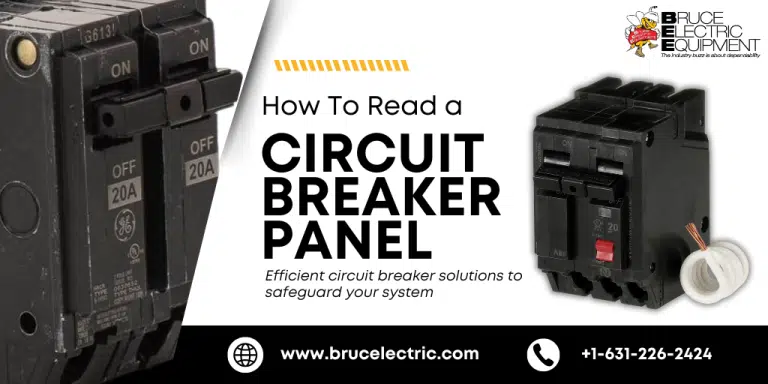
What is a Circuit Breaker Panel?
A circuit breaker panel, often referred to as a breaker panel, circuit breaker box, or simply the electrical panel, is the control hub for all the electricity flowing into your home. It receives power from the utility company and distributes it to different circuits throughout your house.
1. Think of It, As the Heart of Your Electrical System
Each switch in the panel controls a separate circuit, and each circuit delivers electricity to specific outlets, appliances, or rooms.
2. Why Should You Learn to Read Your Breaker Panel?
Reading your circuit breaker panel isn’t just for electricians. Here’s why it matters:
• Safety: Prevent electrical overloads or accidental shocks.
• Troubleshooting: Quickly identify tripped breakers.
• Upgrades: Know when you need a new electrical panel or a 200-amp breaker for increased capacity.
• Emergency readiness: Restore power quickly when something trips.
🔧 Breaker Replacement
Breaker Tripping Repeatedly? Don’t Just Reset – Replace It.
Frequent tripping signals overload, short circuit, or ground fault, or a worn breaker that no longer trips reliably. We stock single-pole, double-pole, and 3-pole breakers from Challenger, GE, Square D, and Cutler-Hammer.
✔ All breakers functionally tested before shipment. ✔ 1-year warranty on every circuit breaker ✔ Selling surplus breakers? We pay cash or trade credit — fast evaluation
Key Components of a Breaker Panel
Before you can read your panel, let’s understand its layout and terminology.
1. Main Breaker
Located at the top or bottom, the main breaker shuts off power to the entire panel. It shows the total amperage capacity commonly 100, 150, or 200 amps.
2. Bus Bars
These metal bars distribute electricity from the main breaker to the individual circuit breakers. There are:
• Hot Bus Bars – carry live current to breakers
• Neutral Bus Bar – collects unused electricity
• Ground Bus Bar – provides a path to the earth in case of faults
3. Circuit Breakers
These are the individual switches connected to different areas or appliances. They come in various sizes (15, 20, 30, 50 amps) and can be:
• Single-Pole Breakers – control one circuit (most outlets, lights)
• Double-Pole Breakers – handle large appliances (dryers, HVACs)
4. Label or Directory
Usually found on the inside door of your panel, this tells you what each breaker controls like “Kitchen outlets” or “Washer/Dryer.”
Step-by-Step Guide to Reading a Circuit Breaker Panel
Step 1: Open the Panel Door Safely
• Ensure your hands are dry.
• Use a flashlight if the area is dark.
• Don’t touch exposed wires or screws inside.
Be Noted: – If you’re unsure or feel unsafe, call a licensed electrician.
Step 2: Locate the Main Breaker
• Found at the top (or sometimes the bottom or side).
• Indicates the panel’s total capacity. For example, a 200-amp breaker means the panel supports 200 amps max.
Pro Tip: Upgrading from 100 to 200 amps may be necessary for modern homes with more appliances or EV chargers.
Step 3: Check the Label
• Find the panel directory on the inside door.
• Each number corresponds to a breaker.
• Descriptions may look like:
1) 1 – Kitchen Outlets
2) 2 – Living Room Lights
3) 15 – Washer & Dryer
Step 4: Identify Breaker Sizes and Types
• Breakers will be labeled with their amperage (e.g., 15A, 20A).
• Look for any double-pole breakers, these are for heavy-duty appliances.
• Ensure no breaker looks burnt, loose, or damaged.
Step 5: Spot the Tripped Breaker
If you lose power in a part of your house:
• Look for a breaker that’s in the middle position or fully off.
• Flip it to OFF, then to ON to reset it.
• If it trips again quickly, there’s likely an electrical issue.
Common Breaker Panel Issues and What They Mean
1. Frequent Tripping
This may mean:
• Circuit is overloaded
• Short circuit
• Ground fault
Solution: Reduce the load or call an electrician to inspect
2. Overcrowded Panel
Too many wires and breakers squeezed into a small panel could cause:
• Fire hazard
• Code violations
Solution: You might need a new electrical panel or a sub-panel
3. Buzzing or Crackling Noises
• Not normal. Could indicate arcing or a loose connection.
• Solution: Turn off the power and call a pro immediately.
Do You Have a 200 Amp Breaker Panel?
Here’s how to tell:
• Check the main breaker label. It will say 200A.
• Look at your electric meter box. It often shows ampacity.
• Ask your electrician for confirmation.
Is 200 Amp Enough?
For most modern homes, a 200-amp breaker panel is more than sufficient, especially if you use electric HVAC systems, EV chargers, or have a large home.
Signs You Might Need a New Electrical Panel
If your panel is:
• Over 25–30 years old
• Frequently tripping
• Too small for your needs (e.g., 100 amps)
• Outdated (e.g., fuse box instead of breakers)
• Shows corrosion or burn marks
It’s time to consider a new electrical panel. Modern panels are safer, more efficient, and support high-demand devices.
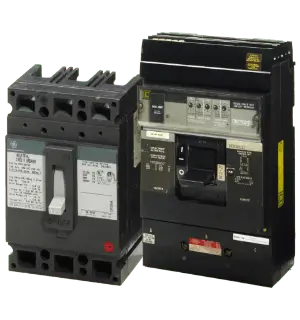
Product Category
Circuit Breakers
Explore our selection of industrial-grade circuit breakers including 3-pole models from top manufacturers.
Tips for Maintaining Your Circuit Breaker Panel
1. Keep It Accessible: Never block your breaker box with furniture or storage.
2. Clean It Occasionally: Dust and cobwebs can interfere with connections.
3. Don’t DIY Major Work: Leave wiring changes to licensed professionals.
4. Label Everything Clearly: Future you (and electricians) will thank you.
5. Schedule Electrical Inspections: Especially if your home is older.
Safety Guidelines While Reading or Operating Your Breaker Panel
• NEVER touch bare wires or the main bus bar.
• ALWAYS use dry hands and stand on a dry surface.
• TURN OFF breakers before replacing appliances or fixtures.
• WEAR rubber-soled shoes if working near the panel.
• NEVER tamper with a panel you suspect is damaged or overloaded.
Final Thoughts
Understanding how to read a circuit breaker panel is one of the most important safety and maintenance skills a homeowner can have. Whether you’re dealing with a tripped breaker, preparing for a home upgrade, or considering a 200-amp breaker installation, this knowledge helps you make informed, safe decisions.
If your breaker panel is outdated or showing signs of failure, don’t wait consult an electrician about installing a new electrical panel. With homes becoming more power-dependent than ever, having a reliable circuit breaker box is essential.
Need quality replacement parts, breakers, or a new panel?
Bruce Electric Equipment Corp. offers a wide range of breaker panel components, including used and new circuit breaker boxes, 200-amp breakers, and fully refurbished systems from trusted brands.
Contact us today to learn more or get help sourcing the right equipment for your needs.
FAQ: How To Read a Circuit Breaker Panel
Q1. Can I add more breakers to my panel?
Maybe. It depends on the size and available slots. If you’re out of space, a panel upgrade or sub-panel may be necessary.
Q2. What does a double-pole breaker do?
It supplies 240V power to heavy appliances like dryers, ovens, or HVAC units. It occupies two slots in the breaker panel.
Q3. My breakers are labeled with numbers only, what do they mean?
They correspond to slots in the panel. If there’s no written label, test and label them yourself or with the help of an electrician.
Q4. How often should I check my circuit breaker panel?
At least once a year. Check for dust, signs of wear, and ensure everything is clearly labeled.