Transformer Cores: Materials, Design, and Their Impact on Performance

Transformer cores are the magnetic foundation of a transformer system. They provide a controlled path for magnetic flux between the primary and secondary windings, directly affecting transformer efficiency, voltage regulation, heat generation, and long-term reliability.
Modern transformer cores are constructed of laminated magnetic materials engineered to reduce hysteresis losses and eddy current losses while improving magnetic permeability. The right transformer core material and transformer core design can significantly improve electrical performance and reduce operating losses.
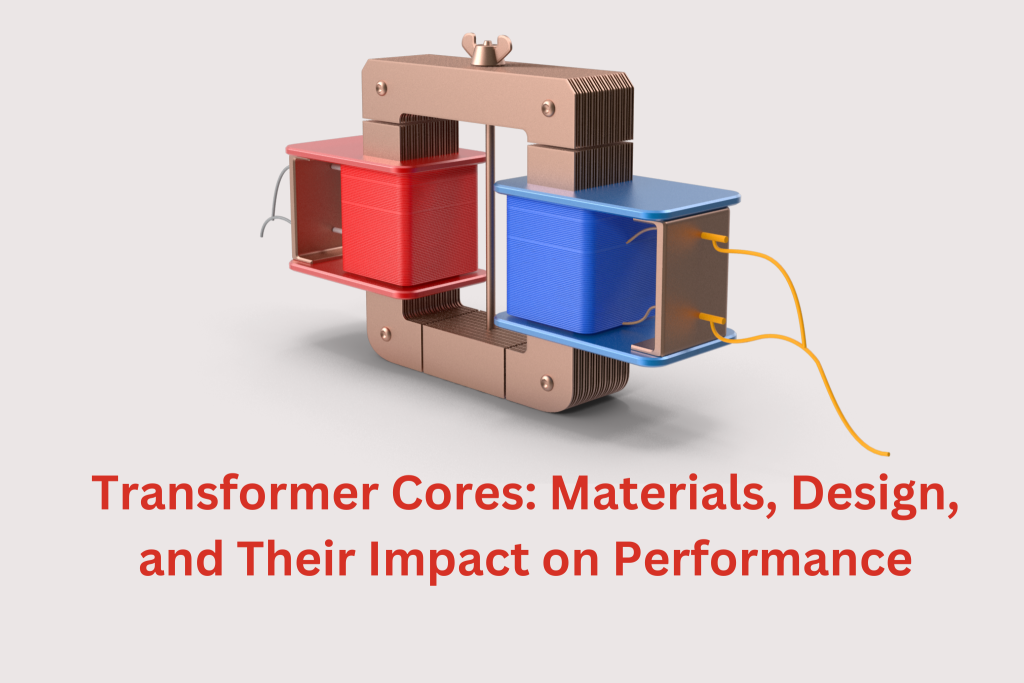
In this blog, we will explore the different types of transformer cores, the materials used in their construction, and how their design impacts transformer performance. Whether you’re upgrading your system or designing a new one, knowing how to optimize transformer cores can lead to better energy efficiency, reduced losses and improved operational reliability.
What Is a Transformer Core?
A transformer core is the magnetic component inside a transformer that transfers magnetic flux between windings. Without an efficient core, transformers experience higher energy losses, poor voltage regulation, and excessive heat buildup.
Transformer cores are typically made from:
– Silicon steel laminations
– CRGO (Cold Rolled Grain Oriented) steel
– Ferrite materials
– Amorphous metal alloys
These materials are selected based on operating frequency, efficiency requirements, and application conditions.
What Are Transformer Cores Constructed Of?
Transformer cores are constructed of thin laminated magnetic materials designed to carry magnetic flux efficiently while minimizing electrical losses.
Laminations are insulated from each other to reduce eddy current losses caused by alternating magnetic fields. In most industrial and commercial transformers, CRGO steel is widely used because of its high magnetic permeability and low hysteresis losses.
Modern high-efficiency transformers may also use amorphous metal cores, which reduce no-load losses compared to conventional silicon steel designs.
Types of Transformer Cores
Different transformer core types are used depending on efficiency goals, installation requirements, and operating conditions.
Core-Type Transformer Core
Core-type transformers place windings around a large portion of the magnetic core. This design is commonly used in distribution and industrial transformers because of its simpler construction and effective cooling.
Shell-Type Transformer Core
Shell-type transformer cores surround the windings with magnetic material, helping reduce magnetic leakage and improve mechanical strength in heavy-duty applications.
Toroidal Transformer Core
Toroidal cores use a ring-shaped design that minimizes flux leakage and operating noise. These are commonly used in electronics, medical systems, and sensitive equipment.
Amorphous Core Transformer
Amorphous core transformers use non-crystalline metal alloys that significantly reduce core losses and improve energy efficiency in continuously energized systems.
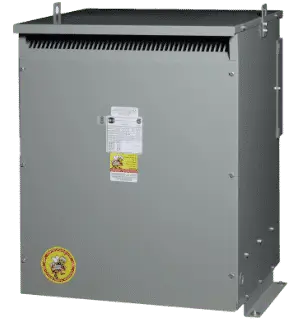
CRGO & Amorphous Core Specialists
Need a Transformer with CRGO or Amorphous Core for Maximum Efficiency?
CRGO steel reduces hysteresis losses by aligning grain structure with flux direction. Amorphous metal cores cut no-load losses by 70% vs conventional silicon steel. We stock both new and reconditioned.
✔ Core-type, shell-type, and toroidal configurations available ✔ Low-noise toroidal cores for medical and office environments ✔ K-Factor rated units for VFD and harmonic-heavy loads
| Transformer Core Type | Key Advantage | Common Applications |
|---|---|---|
| Core-Type | Efficient cooling | Distribution transformers |
| Shell-Type | Reduced magnetic leakage | Industrial power systems |
| Toroidal | Low noise and compact size | Electronics and medical equipment |
| Amorphous Core | Reduced no-load losses | Energy-efficient installations |
Transformer Core Materials and Their Performance
The transformer core material directly affects efficiency, operating temperature, and long-term performance.
Silicon Steel Core
Silicon steel is widely used because it provides good magnetic permeability and helps reduce eddy current losses.
CRGO Transformer Core
CRGO steel is engineered so that its grain structure aligns with magnetic flux direction, improving efficiency and reducing hysteresis losses. It is commonly used in dry type transformers, distribution transformers, and industrial power systems.
Ferrite Transformer Core
Ferrite cores are commonly used in high-frequency transformers and switch-mode power supplies because they offer low eddy current losses at higher frequencies.
Amorphous Metal Core
Amorphous metal transformer cores reduce no-load losses more effectively than conventional laminated steel cores, making them suitable for high-efficiency applications.
| Transformer Core Material | Main Benefit | Typical Application |
|---|---|---|
| Silicon Steel | Reliable magnetic performance | Standard power transformers |
| CRGO Steel | Low core losses | Distribution and industrial transformers |
| Ferrite | High-frequency efficiency | Electronic equipment |
| Amorphous Metal | Extremely low no-load losses | Energy-efficient transformers |
Transformer Core Design and Efficiency
Transformer core design directly affects magnetic flux distribution, thermal performance, operating noise, and transformer efficiency.
Lamination Thickness
Thin insulated laminations help reduce eddy current losses and improve overall transformer efficiency.
Magnetic Permeability
High-permeability materials such as CRGO steel allow magnetic flux to pass more efficiently with lower excitation current.
Magnetic Flux Density
Transformer cores must operate within safe magnetic flux density limits to avoid magnetic saturation, excessive heat generation, and increased losses.
Operating Frequency
Low-frequency transformers typically use laminated steel cores, while high-frequency systems often use ferrite materials to minimize losses.
Thermal Performance
Efficient core design helps reduce operating temperatures and supports longer insulation and equipment life.
High-Efficiency Transformer Core Design
High-efficiency transformer cores are designed to minimize no-load losses and improve long-term electrical performance.
Modern high-efficiency transformer designs commonly include:
• CRGO steel laminations
• Optimized magnetic flux paths
• Reduced flux leakage
• Improved lamination insulation
• Precision core assembly
Reducing hysteresis losses and eddy current losses improves transformer efficiency, lowers operating temperatures, and reduces long-term energy costs.
High-efficiency transformer cores are widely used in:
⚡ Cut Energy Costs 40–60%
Reconditioned High-Efficiency Transformers: Same Core Performance, Fraction of the Cost.
Why pay factory prices for CRGO or amorphous core technology? Our reconditioned units retain original core materials and lamination integrity – tested, certified, and backed by warranty.
✔ Every unit tested for core loss and excitation current. ✔ 2-year warranty on reconditioned transformers. ✔ Sell your old transformer for cash or credit toward an efficient upgrade
Why Iron Cores Are Used in Transformers
Iron core materials are widely used because they provide high magnetic permeability and efficient magnetic flux transfer.
Modern transformer iron cores are typically made using laminated silicon steel instead of solid iron. Laminated construction helps reduce eddy current losses while maintaining strong magnetic performance.
Compared to air-core transformers, iron-core transformers provide:
• Higher efficiency
• Better magnetic coupling
• Lower excitation current
• Improved voltage regulation
• Reduced magnetic leakage>
Common Transformer Core Losses
Transformer core losses, also called iron losses, occur whenever a transformer is energized.
Hysteresis Loss
Hysteresis loss occurs as magnetic domains continuously realign with alternating current. High-quality magnetic materials such as CRGO steel help reduce these losses.
Eddy Current Loss
Eddy current loss is caused by circulating currents inside the transformer core material. Laminated cores reduce these currents and improve efficiency.
Reducing core losses lowers operating temperatures and improves long-term transformer performance.
The Impact of Core Materials and Design on Transformer Performance
The combination of core material and design directly influences the performance, energy efficiency, and operational stability of a transformer.
Energy Efficiency: Core materials like silicon steel and amorphous steel significantly affect the energy efficiency of a transformer. Amorphous steel, for example, helps reduce no-load losses, meaning the transformer consumes less energy while idle. This reduction in losses can translate into better performance and lower energy costs over time.
Temperature Management and Core Losses: The core material and design also impact how effectively the transformer manages heat. Higher-quality core materials and proper lamination reduce the core losses and, consequently, the heat produced during operation. This is particularly important for the longevity and efficiency of large transformers.
Noise Reduction: Certain core designs, such as the toroidal core, are better at minimizing mechanical vibrations and reducing transformer noise. This is particularly important in environments where noise levels must be controlled, such as residential or hospital settings.
Longevity and Durability: The durability of a transformer’s core is crucial for its long-term performance. Materials like silicon steel and amorphous steel provide better longevity as they handle high currents and resist magnetic aging, ensuring the transformer lasts longer with minimal degradation in efficiency.
Choosing the Right Transformer Core Material
Selecting the right transformer core depends on:
• Operating frequency
• Load conditions
• Efficiency requirements
• Installation environment
• Noise limitations
• Thermal conditions
For most industrial and commercial power distribution systems, CRGO silicon steel remains one of the most widely used transformer core materials because of its balance of efficiency, durability, and cost-effectiveness.
Amorphous metal transformer cores are often selected where lower no-load losses and long-term energy savings are priorities.
Frequently Asked Questions
Q1. What are transformer cores made of?
Transformer cores are typically made from laminated silicon steel, CRGO steel, ferrite, or amorphous metal alloys designed to efficiently transfer magnetic flux while minimizing energy losses.
Q2. What is the best material for a transformer core?
CRGO steel is widely considered one of the best transformer core materials for power distribution applications because of its high magnetic permeability and low core losses.
Q3. Why are laminated cores used in transformers?
Laminated transformer cores help reduce eddy current losses by restricting circulating currents inside the magnetic material.
Q4. What are the main types of transformer cores?
The most common transformer core types include core-type, shell-type, toroidal, and amorphous transformer cores.
Q5. How does transformer core design affect efficiency?
Transformer core design affects magnetic flux distribution, operating temperature, core losses, and overall transformer efficiency.
Improve Power System Performance with the Right Transformer Solutions
The transformer core is one of the most important components affecting transformer efficiency, reliability, and long-term operating performance. Selecting the right transformer core material and design helps reduce energy losses, improve voltage regulation, and support stable power distribution across industrial and commercial facilities.
Bruce Electric supplies new, used, surplus, and reconditioned electrical equipment, including dry type transformers, distribution transformers, industrial transformers, circuit breakers, panelboards, UPS systems, and power distribution solutions.